What Happens After You Receive an LOI?
Corey Quinn
Founder, Deep Specialization™
A signed letter of intent isn't a closed deal. Here's what actually happens next, from exclusivity to confirmatory diligence to the closing table.
A signed letter of intent feels like the finish line. It isn't. It's the moment the deal becomes real, and a new, more demanding phase of the process starts.
The LOI starts the exclusivity clock
Signing an LOI typically means you've agreed to work exclusively with this buyer for a defined period, so you're no longer shopping the deal elsewhere while this process runs. That's a real commitment on your side, which is why the preliminary work, confirming the EBITDA basis and the multiple, should be substantially agreed before you sign, not left for after.
Confirmatory diligence begins, in earnest
This is deeper and more demanding than whatever preliminary diligence happened before the LOI. It typically runs in three risk-sequenced tiers[2] : high-risk items first (financial integrity, legal and regulatory review, ownership validation, key-person risk), then mid-risk items (client and revenue analysis, HR and operations), then lower-risk cleanup and confirmatory checks. If a high-risk, deal-killer issue surfaces here, this is where a deal is most likely to fall apart, which is why addressing those risks during your own preparation, well before this stage, matters so much.
Negotiation moves from concept to specifics
The LOI approved the deal in concept. This stage finalizes price, payment schedule, escrow and holdbacks, representations and warranties, indemnification, and any post-close adjustments. It's also typically where earnout or rollover equity structures, if they're part of the deal, get fully specified rather than just referenced in principle.
Legal drafting and the path to closing
Your attorney and the buyer's attorney draft the purchase agreement to match the agreed structure, build out disclosure schedules covering everything from client lists to litigation history, and make sure every item surfaced in diligence is properly disclosed and negotiated, not just verbally acknowledged. A final confirmatory review checks that nothing material has changed since diligence, before wires move and ownership formally transfers.
Common mistakes
Founders treat the LOI stage as a moment to relax, when it's where the most detailed and demanding scrutiny begins. Momentum matters here: assign a clear point of contact to keep signatures, requests, and timelines moving instead of letting the process drift.
Recommended next steps
Before you sign an LOI, make sure your documentation, financials, and disclosure materials are as ready as they'll ever be. Confirmatory diligence moves faster and with fewer surprises when you're not scrambling to produce materials you should already have.
Deal mechanics vary by transaction and jurisdiction. Talk to your own M&A attorney about anything specific to your deal.[3]
Frequently Asked Questions
Can I back out of a deal after signing an LOI?
LOIs vary in how binding they are, and exclusivity provisions in particular are often binding even when the broader deal terms aren't. This is a question for your own attorney on the specific document you've signed, not a general rule.
How long does confirmatory diligence usually take?
It depends heavily on the complexity of the business and how prepared your documentation is going in. A well-prepared agency with clean books and organized materials moves through this stage considerably faster than one assembling documentation on the fly.
What's the most common reason a deal falls apart after the LOI?
A high-risk, deal-killer finding in confirmatory diligence: financial misrepresentation, an unresolvable legal or tax issue, or a key client or team departure that undermines the reason the buyer wanted the business in the first place.
Should I keep talking to other buyers during exclusivity?
Generally no, and doing so may violate the exclusivity terms you agreed to in the LOI. Confirm directly against your specific agreement with your attorney.
About Corey Quinn
Founder, Deep Specialization™
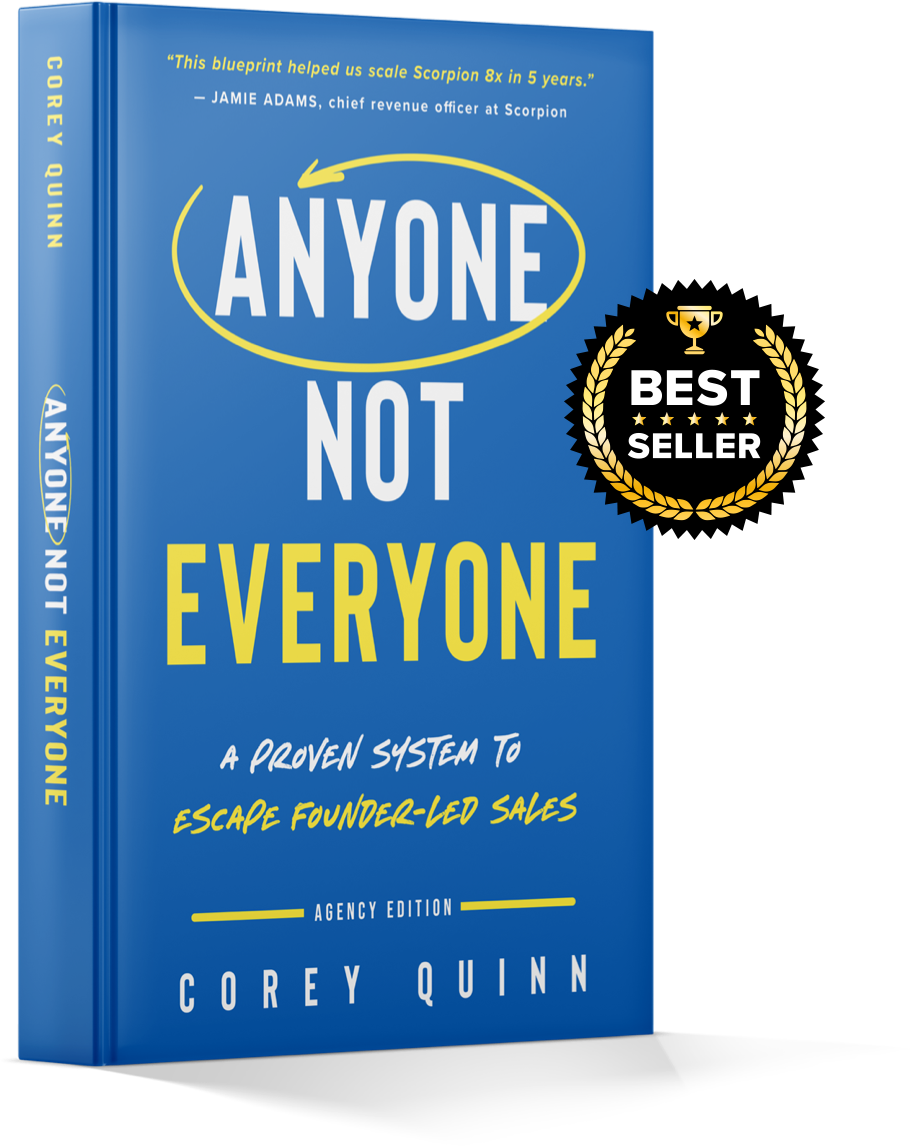
Corey helps founder-led agencies scale through Deep Specialization™ and programmatic M&A. Former CMO of Scorpion ($20M to $200M). Author of "Anyone, Not Everyone."