Turn "Let me think about it" into closed deals
Corey Quinn
Founder, Deep Specialization™
Learn how to uncover and address the real concerns behind this common objection and maintain momentum in your sales process.
"Let me think about it."
As an agency growth coach, I see this objection constantly derail promising deals. But here's the truth: it's rarely about "thinking" - it's usually a smoke screen for deeper concerns.
When a prospect says they need to "think about it," they're really saying one of three things:
1️⃣ "I'm not fully convinced of the value"
2️⃣ "I'm not the final decision maker"
3️⃣ "I have concerns I'm uncomfortable sharing"
Here's the response that's unlocked new business for my clients:
"I completely understand - this is an important decision. To make sure I've given you everything you need to evaluate this properly, may I ask: what specific aspects do you need to think through?"
Why this works:
→ Shows respect for their process
→ Surfaces hidden objections
→ Maintains dialogue
→ Reveals true concerns
The key isn't to overcome the objection - it's to make it safe for them to share their real hesitation.
CQ
Frequently Asked Questions
What does "let me think about it" usually actually mean?
One of three things: the value hasn't fully landed yet, the person isn't the final decision maker, or there's a concern they're not comfortable sharing directly. It's rarely just about needing more time to think.
Why doesn't pushing back against this objection directly work well?
Because it treats the objection as something to overcome instead of understand. The real hesitation stays hidden if the response tries to argue past it instead of inviting it out into the open.
What's an effective response to "let me think about it"?
Something like, "I completely understand, this is an important decision. To make sure I've given you everything you need, may I ask what specific aspects you need to think through?" It respects the process while gently surfacing the real concern.
Why does this kind of response work better than pushing for a decision?
Because it shows respect for their process, keeps the dialogue open, and makes it safe to share what's actually behind the hesitation instead of feeling pressured to just say yes.
What's the actual goal when handling this objection?
Not overcoming it, but making it safe for the prospect to share their real hesitation. Once the true concern is named, it can actually be addressed instead of staying hidden behind a vague delay.
About Corey Quinn
Founder, Deep Specialization™
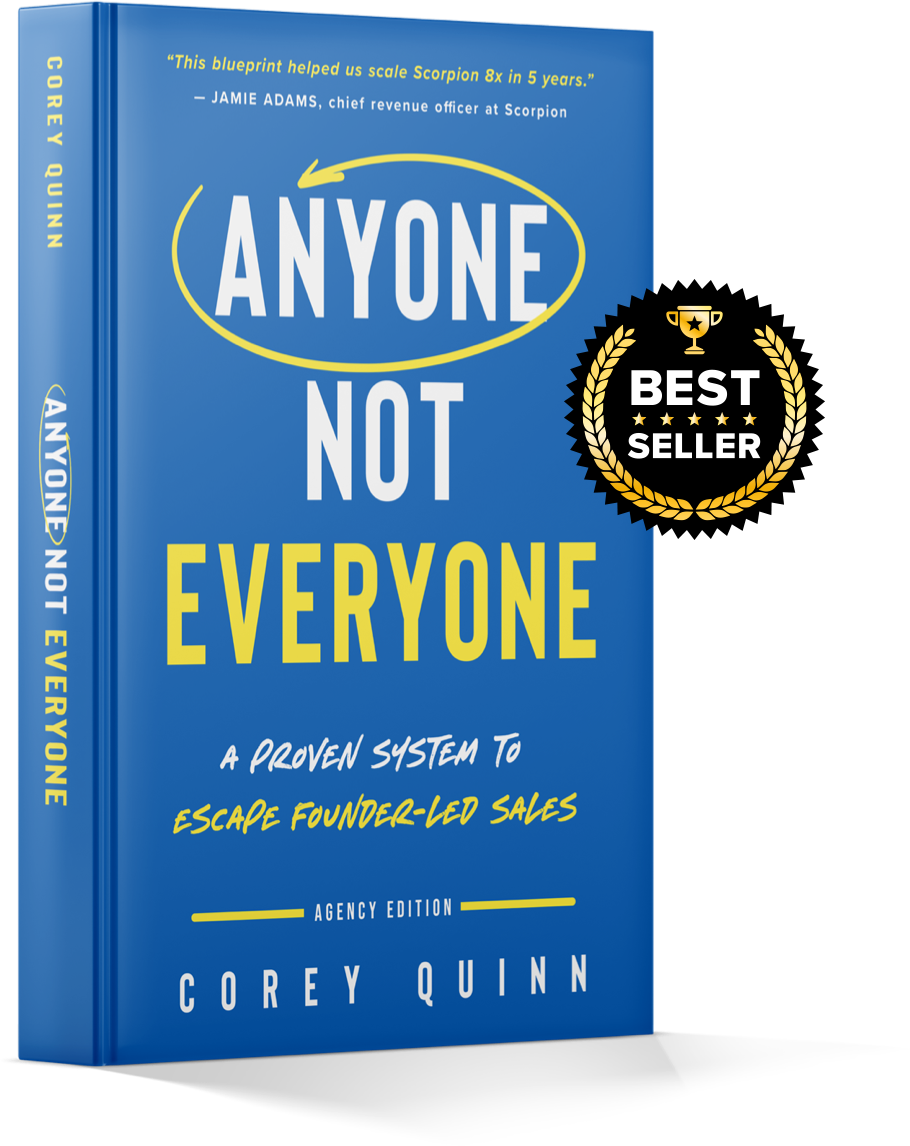
Corey helps founder-led agencies scale through Deep Specialization™ and programmatic M&A. Former CMO of Scorpion ($20M to $200M). Author of "Anyone, Not Everyone."